
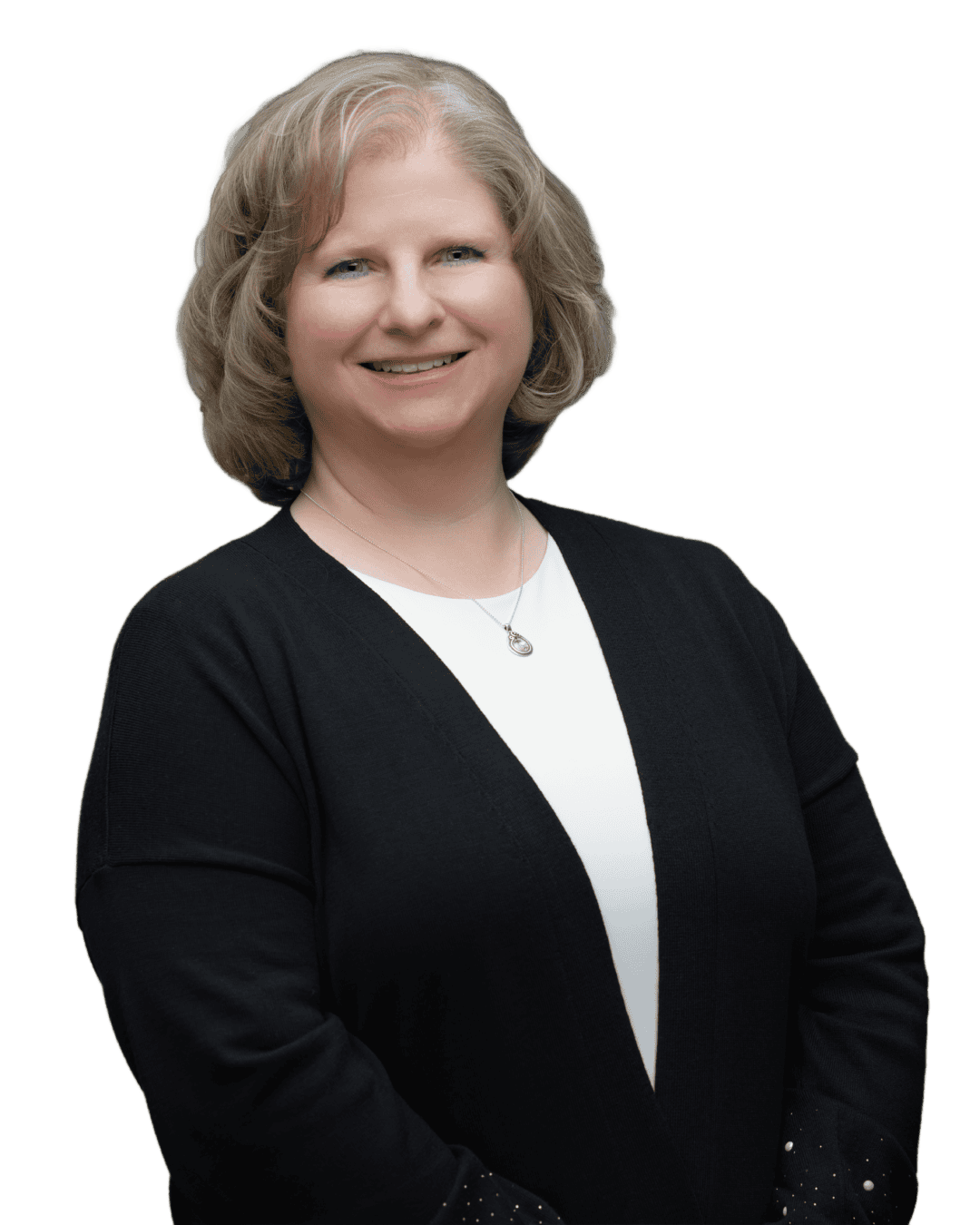
Clinical Expertise and Special Interests
Kim has specialty experience with concussion, traumatic brain injury, spinal cord injuries, Multiple Sclerosis, and Parkinson’s Disease. She actively listens to her patients about their goals what is important to them. She finds unique and creative treatments to make sessions fun and enjoyable while working toward improving her patients’ quality of life.
Frequently Asked Questions
What is Kim Hermans' background and training?
Kim Hermans is an occupational therapist at Neuroscience Group's Neenah location. She holds a Certified Functional Vision Rehab Specialist (CFVRS) credential, reflecting specialized training in treating functional and neurological vision deficits that impact daily life. Her scope of specialty experience spans concussion, traumatic brain injury, spinal cord injury, multiple sclerosis, and Parkinson's disease, making her one of the most broadly neuroscience-aligned occupational therapists on the NG roster. Her educational background information is not listed on her page — patients seeking this information can contact Neuroscience Group directly.
What certifications or licenses does Kim Hermans hold?
Kim holds the CFVRS designation — Certified Functional Vision Rehab Specialist (CFVRS) program — a specialized training to evaluate and treat functional and neurological vision deficits that impact daily life. She is licensed as an occupational therapist in Wisconsin and practices at Neuroscience Group's Neenah location.
What does Kim Hermans do at Neuroscience Group?
Kim is an occupational therapist at Neuroscience Group's Neenah location, providing occupational therapy evaluation and treatment for patients with neurological conditions including concussion, traumatic brain injury, spinal cord injury, multiple sclerosis, and Parkinson's disease. Occupational therapy in a neuroscience setting focuses on helping patients regain the functional abilities needed for daily life — including cognitive function, fine motor skills, ADL (activities of daily living) performance, and adaptive strategies for managing neurological deficits. Kim's CFVRS credential also positions her to support patients with vision dysfunction. She works collaboratively with patients to establish individualized plans of care aimed at returning them to their desired level of function and independence.
What conditions does Kim Hermans treat or help rehabilitate?
Kim's specialty experience encompasses concussion, traumatic brain injury, spinal cord injury, multiple sclerosis, and Parkinson's disease. Across all of these conditions, her occupational therapy focus is on helping patients regain independence in meaningful daily activities — from cognitive rehabilitation after a TBI or concussion to functional mobility and daily living skills for patients with MS or Parkinson's progression. This scope makes her a particularly valuable integrated care team member for patients whose neurological condition affects multiple domains of daily function.
What is Kim's approach to patient care?
Kim approaches every session with positivity and a commitment to creating a welcoming, comfortable environment where patients feel genuinely supported. She actively listens to patients about their goals and what matters most to them personally, then finds unique and creative ways to work toward those goals — making sessions engaging rather than clinical and routine. Her belief is that therapy should be something patients look forward to, not something they endure, and her creative approach to treatment is how she keeps people motivated through what can be a challenging rehabilitation process. Her overarching aim is to collaborate with each patient on a care plan that helps them return to the level of function and independence that is meaningful in the context of their own life.

” I am positive throughout my sessions and provide a welcoming and comfortable environment. I collaborate with my patients to establish a plan of care that helps them return to their desired level function and independence.”